
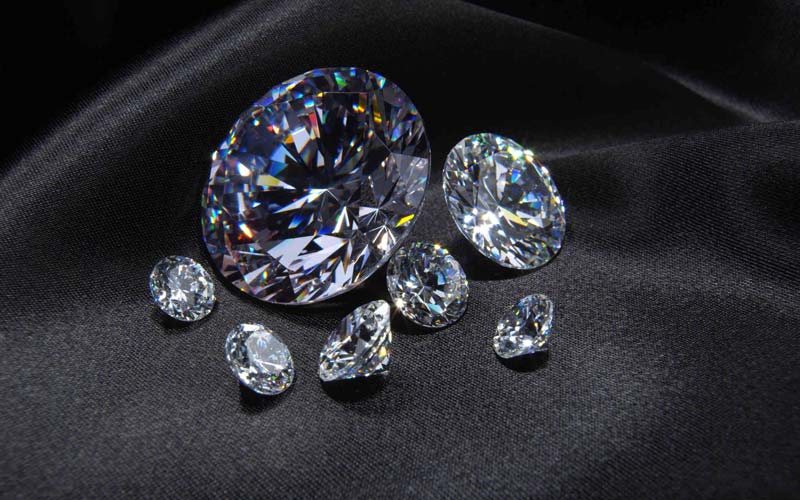
Diamonds, the sparkling jewels that captivate hearts and symbolize everlasting love, come in various forms. From the depths of the earth to the controlled environments of laboratories, diamonds emerge through unique processes, each with its distinct characteristics and allure. In this article, we delve into the realms of ore diamonds and laboratory diamonds, uncovering their origins, differences, and implications.
What are Ore Diamonds?
Ore diamonds, also known as natural or mined diamonds, are gems formed deep within the earth’s mantle over millions of years. Their journey begins with carbon atoms subjected to intense heat and pressure, crystallizing into the brilliant structures we admire.
Formation of Ore Diamonds
Natural Process
Ore diamonds undergo a natural formation process involving volcanic activity and geological movements. They originate from carbon-rich materials deep within the earth, where extreme heat and pressure facilitate their transformation into diamonds. Over millennia, these diamonds ascend closer to the earth’s surface through volcanic eruptions, eventually becoming accessible through mining.
Mining Techniques
The extraction of diamantes de mineria o diamntes de laboratorio sophisticated mining techniques, including open-pit mining and underground mining. These methods involve excavating diamond-bearing ore from the earth’s crust and processing it to extract the precious gems.
Uses of Ore Diamonds
Ore diamonds hold a prominent place in jewelry and industrial applications. Their exceptional hardness, brilliance, and rarity make them prized assets in luxury accessories, engagement rings, and cutting-edge technology.
Laboratory Diamonds
In contrast to ore diamonds, laboratory diamonds, also known as synthetic or cultured diamonds, are created in controlled laboratory environments. These diamonds replicate the natural diamond formation process but within a shorter timeframe and under controlled conditions.
What are Laboratory Diamonds?
Laboratory diamonds are produced using advanced technologies that mimic the natural diamond formation process. By subjecting carbon sources to high pressure and temperature in controlled chambers, scientists can stimulate diamond growth, yielding gems with identical chemical and physical properties to their natural counterparts.
Production Process
The production of laboratory diamonds involves several stages, including seed crystal formation, carbon source purification, and diamond growth. Through precise control of temperature, pressure, and carbon composition, manufacturers can produce high-quality diamonds with custom specifications.
Quality and Value
Laboratory diamonds exhibit the same exceptional quality and brilliance as natural diamonds. They undergo rigorous testing and certification processes to ensure their authenticity and value. Additionally, laboratory diamonds offer a more sustainable and ethically sourced alternative to mined diamonds.
Environmental Impact
One significant advantage of laboratory diamonds lies in their minimal environmental impact. Unlike traditional diamond mining, lab diamonds, which often involves habitat destruction and ecosystem disruption, laboratory diamond production consumes fewer resources and generates less waste.
Differences Between Ore and Laboratory Diamonds
While both ore and laboratory diamonds share similar chemical compositions and optical properties, several distinctions set them apart.
Composition and Structure
Ore diamonds possess unique characteristics influenced by their natural formation process, including inclusions, imperfections, and variations in color and clarity. In contrast, laboratory diamonds exhibit exceptional purity and consistency due to their controlled growth environment.
Cost and Availability
Laboratory diamonds typically offer a more affordable alternative to mined diamonds, as their production costs are lower and more predictable. Additionally, the controlled manufacturing process ensures a steady supply of diamonds, reducing the dependence on mining operations.
Ethical Considerations
The ethical implications of diamond sourcing play a significant role in consumer preferences. Laboratory diamonds are often favored for their conflict-free origin and reduced environmental impact, aligning with the values of socially conscious consumers.
Conclusion
In the dynamic world of diamonds, the choice between ore and laboratory diamonds reflects individual preferences, values, and priorities. While ore diamonds boast a natural allure steeped in geological history, laboratory diamonds offer a sustainable, ethical, and customizable alternative. Whether adorning the fingers of a loved one or powering cutting-edge technology, diamonds, in all their forms, continue to enchant and inspire.


