
Introduction
In the world of fine jewelry, diamonds have always been synonymous with elegance and prestige. However, the traditional diamond mining process often raises ethical and environmental concerns. As a result, the popularity of lab-grown diamonds has soared in recent years. In this article, we’ll delve into the intricacies of lab grown diamond rings, focusing specifically on their claws.
1. What are Lab Grown Diamonds?
Lab-grown diamonds, also known as synthetic or cultured diamonds, lab grown diamond rings claws, are created in controlled environments that mimic the natural conditions under which diamonds form in the Earth’s mantle. These diamonds have the same chemical composition, physical properties, and optical characteristics as mined diamonds but are ethically and sustainably produced.
2. Advantages of Lab-Grown Diamonds
Lab-grown diamonds offer several advantages over their mined counterparts. They are:
- Ethically sourced, eliminating concerns about human rights abuses and conflicts.
- Environmentally friendly, as they require minimal land disruption and have a lower carbon footprint.
- Typically more affordable than mined diamonds, allowing for larger and more intricate designs without breaking the bank.
3. The Anatomy of a Diamond Ring
Before we delve into the specifics of diamond ring claws, let’s understand the various components that make up a diamond ring.
3.1. The Band
The band of a diamond ring forms the foundation upon which the entire design rests. It can be made of various metals, such as gold, platinum, or silver, and serves as the base for mounting the gemstone.
3.2. The Setting
The setting of a diamond ring refers to the mechanism that holds the gemstone securely in place. It can range from classic prong settings to more elaborate bezel or pavé settings, depending on the desired aesthetic.
3.3. The Claws
The claws, also known as prongs, are small metal projections that extend from the ring’s setting to grip the diamond firmly in place. These claws play a crucial role in both the security and aesthetics of the ring.
4. Understanding Diamond Ring Claws
Now that we’ve covered the basics, let’s take a closer look at the significance of diamond ring claws.
4.1. Purpose of Claws
The primary function of claws is to secure the diamond in place and prevent it from becoming loose or falling out of the setting. Claws also allow more light to enter the diamond, enhancing its brilliance and sparkle.
4.2. Types of Claw Settings
There are several types of claw settings, each offering its own unique advantages:
- Four-Prong Setting: This classic setting style uses four claws to hold the diamond securely in place while maximizing its visibility.
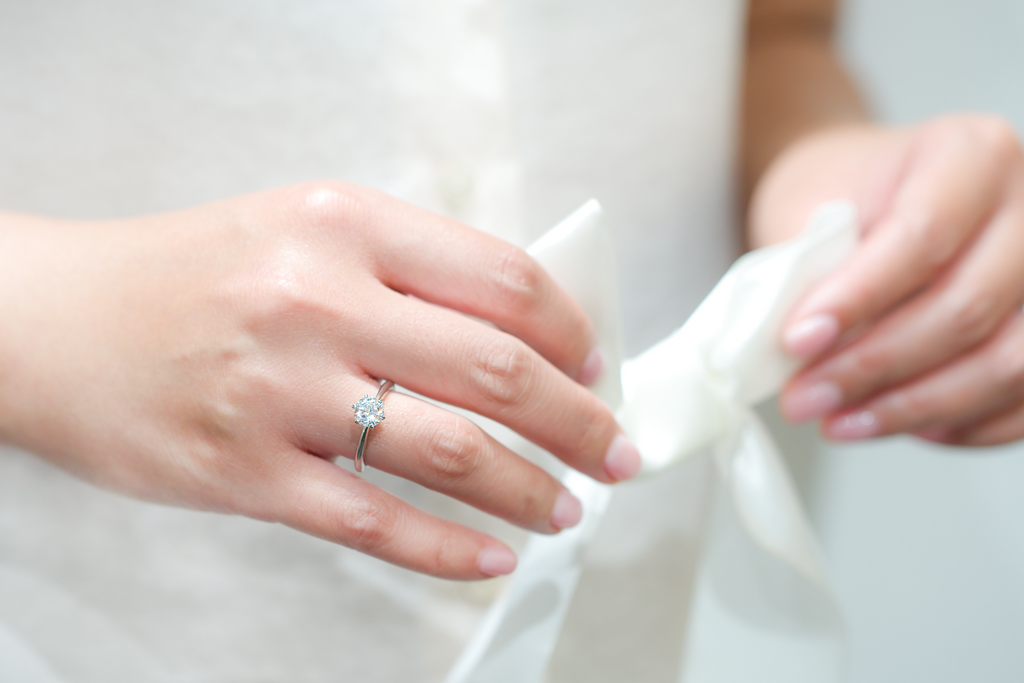
- Six-Prong Setting: Similar to the four-prong setting, lab grown diamonds, the six-prong setting provides added security and stability, making it an ideal choice for larger diamonds.
- V-Shaped Prongs: V-shaped prongs offer a modern twist on traditional claw settings, providing a sleek and contemporary look while ensuring optimal diamond protection.
4.3. Benefits of Claw Settings
Claw settings offer several benefits:
- Enhanced Brilliance: By allowing more light to enter the diamond from all angles, claw settings maximize the stone’s brilliance and fire.
- Secure Hold: The claws grip the diamond firmly in place, reducing the risk of damage or loss.
- Versatility: Claw settings can accommodate diamonds of various shapes and sizes, making them suitable for a wide range of designs.
5. Why Choose Lab Grown Diamond Rings with Claws?
When it comes to choosing a diamond ring, opting for a lab-grown diamond with claw settings offers numerous advantages. Not only are you investing in a stunning piece of jewelry, but you’re also supporting ethical and sustainable practices in the diamond industry.
6. How to Care for Lab Grown Diamond Rings with Claws
Proper care and maintenance are essential to ensure that your lab-grown diamond ring retains its beauty and brilliance for years to come.
6.1. Cleaning Tips
To clean your lab-grown diamond ring, simply soak it in a solution of warm water and mild dish soap, then gently scrub with a soft-bristled brush. Avoid harsh chemicals or abrasive cleaners, as these can damage the metal or loosen the claws.
6.2. Maintenance
Regular maintenance, including periodic inspections by a professional jeweler, can help identify and address any issues with the claws or other components of the ring. Be sure to have your ring inspected at least once a year to ensure that the claws are secure and the diamond is properly aligned.
Conclusion
Lab grown diamond rings with claws offer a beautiful combination of elegance, sustainability, and practicality. By understanding the anatomy of these rings and the significance of diamond ring claws, you can make an informed decision when choosing the perfect piece of jewelry for yourself or a loved one.


