
When shopping for lab made diamonds, one of the most important factors to consider is diamond color. Whether you’re choosing a sparkling engagement ring or an elegant necklace, the color del diamante grade of your diamond can make a significant difference in its appearance—and price. But what does “color” really mean when it comes to lab-created diamonds, and how does it compare to natural stones?
In this article, we’ll break down everything you need to know about color in lab-grown diamonds, from how it’s graded to what to look for when making your purchase.
What Is Diamond Color?
Diamond color del diamante refers to the presence (or absence) of yellow, brown, or gray tints in a white diamond. Contrary to what you might think, a truly colorless diamond is actually quite rare and therefore more valuable.
Diamonds are graded on a D-to-Z color scale, where:
- D-F are considered colorless
- G-J are near-colorless
- K-M show faint color
- N-Z have noticeable tint
This scale is used for both natural and lab-created diamonds.
How Is Color Measured in Lab Made Diamonds?
Lab made diamonds are grown in controlled environments using CVD (Chemical Vapor Deposition) or HPHT (High Pressure High Temperature) methods. Because of the precision involved, lab-grown diamonds can be engineered to have very low or no visible color del diamante.
Color is measured the same way as in mined diamonds—by certified gemological labs such as IGI or GIA, under standardized lighting and viewing conditions. They compare the diamond to a master set of stones with known color grades.
Why Does Color Matter?
While color may seem like a small detail, it affects both the appearance and value of a diamond. Here’s how:
- Visual Impact: A diamond with a high color del diamante grade (like D or E) will appear bright, icy, and white, especially when set in white gold or platinum. Lower grades may appear warmer or even slightly yellow, particularly in larger stones.
- Price Point: The higher the color grade, the more expensive the diamond tends to be. However, lab made diamonds are generally 30-50% less expensive than natural diamonds, even in the highest color grades.
Choosing the Right Color Grade for You
The best color grade depends on your personal preference, budget, and setting choice:
- For a platinum or white gold setting, stick to D–H color grades for a truly white appearance.
- If you’re opting for yellow or rose gold, you can go as low as J or K, since the warm metal will naturally complement the stone.
- If you’re on a budget, choose a slightly lower color grade like I or J and put the savings toward a better cut or carat weight—which have a bigger impact on brilliance.
Fancy Color Lab Diamonds
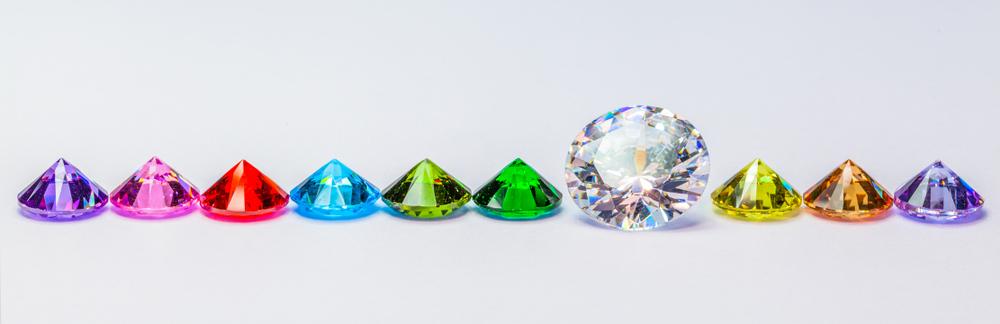
While white (or near-white) diamonds dominate the market, fancy color lab-grown diamonds are also growing in popularity. These include colors like:
- Blue
- Pink
- Yellow
- Green
Lab technology allows for precise control of trace elements during diamond growth, meaning fancy colors are often more vibrant and affordable than their natural counterparts.
Color vs. Clarity: Which Is More Important?
Both are crucial, but cut usually has the most visual impact, followed by color and clarity. If you’re comparing two diamonds of the same size, the one with the better color grade will often look more appealing to the naked eye.
Final Thoughts: Lab Diamonds and Color Excellence
Lab made diamonds have revolutionized the diamond industry—not only by offering a more ethical and sustainable alternative, but also by enhancing the consistency of color del diamante Whether you desire an icy-white stone or a fancy pink gem, lab diamonds give you more control and value for your investment.
When purchasing, always request a certified grading report and work with a reputable jeweler. A well-chosen lab-grown diamond in the right color grade can be every bit as dazzling and timeless as a mined stone—if not more.