
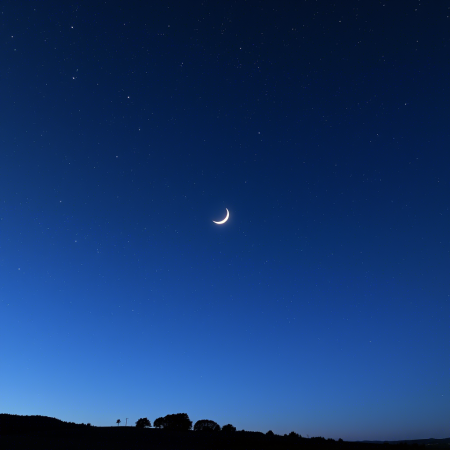
When you look up at the sky on a clear night, there’s something that always catches your eye—the moon. Big, bright, and peaceful, it sits quietly above us, shining light in the darkness. Many people have looked at it and thought the same thing: “the moon is beautiful isn’t it?” This simple sentence has deep meaning, and there’s more to the moon than just how it looks. Let’s explore why the moon is so special to people all over the world and what makes it one of the most admired parts of nature.
The Moon Through History and Culture
For thousands of years, humans have looked at the moon and felt wonder. Ancient people used it to track time, guide their travels, and plan their crops. In many cultures, the moon was seen as a goddess or a symbol of mystery. Some believed the moon had magical powers or could affect emotions and behavior. Even today, some people feel different during a full moon—some say they can’t sleep or feel extra energy.
In Japan, the phrase “The moon is beautiful, isn’t it?” became famous because it was used as a poetic way to say “I love you.” Instead of saying it directly, people would look at the moon and use those words to share their feelings. This shows that the moon is not just a rock in the sky—it’s a part of human emotion, art, and language.
Why the Moon Looks So Magical
One reason people find the moon so beautiful is because of how it lights up the night. It reflects sunlight, creating a soft glow that can light up the world even when the sun is gone. A full moon can shine bright enough to see without a flashlight. Sometimes, it looks golden or orange when it’s close to the horizon. Other times, it’s pure white and high above, looking like a pearl in the sky.
The moon also changes shape each night. These shapes are called moon phases. There’s the new moon, when we can’t see it at all, then the crescent, half, and full moon. These changes add a kind of rhythm to the night sky. Watching the moon grow and shrink can feel calming, like the sky is keeping time for the Earth.
The Moon’s Connection to Earth and Life
Many people don’t realize how important the moon is to life on Earth. The moon helps control the ocean’s tides. Its gravity pulls on Earth’s water, causing high and low tides that help ocean life survive. Without the moon, Earth’s rotation might change over time, making our planet less stable. The moon also helps protect Earth from space rocks by pulling them away with its gravity.
So when someone says, “The moon is beautiful, isn’t it?” they may not just be talking about its looks. They may also feel respect for the way it helps Earth, like a quiet guardian in the sky.
How the Moon Inspires Art and Imagination
Artists, poets, and songwriters have been inspired by the moon for centuries. It shows up in paintings, books, music, and movies. Some poems talk about lovers meeting under the moonlight. Others use it as a sign of loneliness or mystery. Painters often include it in peaceful scenes or dreamlike landscapes.
Even kids use their imagination when looking at the moon. Some think it’s made of cheese, while others imagine creatures living on it. Stories about astronauts landing on the moon in 1969 still inspire dreams about space travel today. The moon gives people of all ages a reason to dream big and wonder about what’s out there in the universe.
Seeing the Moon With New Eyes
These days, it’s easy to forget how special the moon is. We live busy lives and sometimes don’t even look up. But if you take a moment to stop, go outside, and look at the sky, you might find yourself saying, “The moon is beautiful, isn’t it?” It can be a simple way to feel peace, to connect with nature, or to share a quiet moment with someone you love.
Even during hard times, the moon doesn’t change. It rises every night, no matter what’s happening on Earth. That kind of steady, peaceful presence is rare. It reminds us that some things in life are still simple, natural, and beautiful.
Conclusion: A Light in the Darkness
The moon is more than just a light in the sky. It’s a part of our stories, science, feelings, and dreams. It helps Earth in ways most people never think about. It inspires people to write, paint, and sing. And it gives us a peaceful, quiet moment to enjoy the world around us.
So next time you see the moon shining above, take a moment to pause. Think about its quiet power, its beauty, and everything it means to us. And maybe, just maybe, you’ll smile and say, “The moon is beautiful, isn’t it?”—and feel something deeper in your heart than just words.