
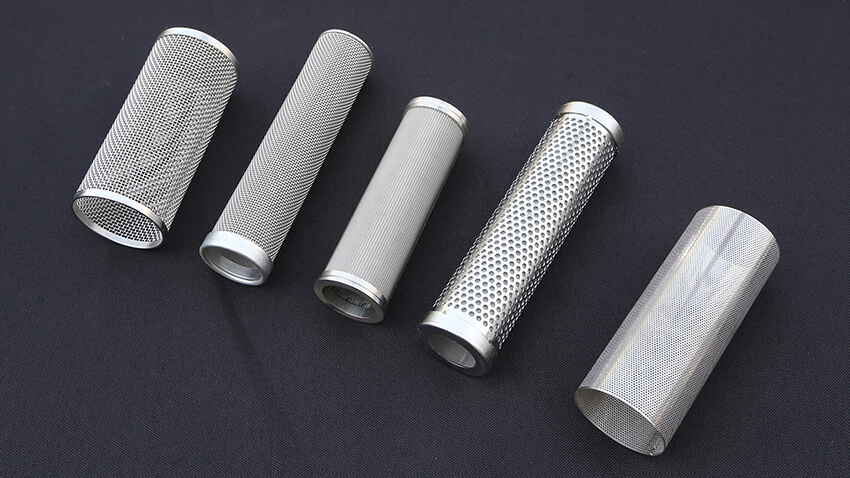
In industries and homes alike, filtration is crucial for maintaining system efficiency and ensuring clean air, water, and other fluids. Among various filter materials, stainless steel filters stand out due to their durability, corrosion resistance, and long service life. From industrial applications to residential HVAC systems, stainless steel filters provide a reliable solution for demanding filtration needs.
What is a Stainless Steel Filter?
A stainless steel filter is a filtration device made from woven mesh, perforated sheets, or sintered metal created from stainless steel. These filters are designed to remove particles, contaminants, and debris from gases or liquids. Stainless steel’s inherent strength and resistance to corrosion make it an ideal material for filters used in harsh environments.
Key Characteristics:
- Material: Typically made from 304 or 316 stainless steel.
- Reusability: Can be cleaned and reused multiple times.
- Micron Rating: Available in various pore sizes, ranging from coarse to ultra-fine.
- Designs: Woven wire mesh, pleated media, perforated plates, and sintered powder types.
Benefits of Stainless Steel Filters
1. Durability and Strength
Stainless steel filters can withstand high pressure, temperature, and corrosive conditions. This makes them ideal for both industrial and commercial environments.
2. Corrosion Resistance
The chromium content in stainless steel forms a passive layer, protecting it from rust and corrosion — crucial for use in marine, chemical, and food-grade applications.
3. Reusable and Eco-Friendly
Unlike disposable filters, stainless steel filters can be cleaned easily and reused, reducing waste and long-term operational costs.
4. Consistent Filtration Performance
They maintain consistent filtration capabilities over time, even after repeated cleanings, ensuring long-term reliability.
5. Hygienic and Non-Toxic
Particularly important in food, beverage, and pharmaceutical industries where cleanliness and sterility are essential.
Common Applications of Stainless Steel Filters
Industrial Use:
- Oil and Gas: For separating solid particles from oil or gas in pipelines and refineries.
- Chemical Processing: Resisting aggressive chemicals while providing precise filtration.
- Water Treatment: Removing sediments and impurities from water streams.
- Automotive: Used in fuel, air, and hydraulic systems.
Commercial and Residential Use:
- HVAC Systems: For reusable air filters that capture dust and allergens.
- Kitchens and Food Processing: In fryers and grease filters.
- Aquariums and Fish Farms: To maintain clean and healthy water for aquatic life.
Specialized Applications:
- Medical Equipment: Sterile filtration in clean rooms.
- Aerospace and Aviation: High-performance filtration in extreme conditions.
Types of Stainless Steel Filters
| Type | Description | Typical Use |
|---|---|---|
| Woven Wire Mesh | Flexible mesh made of interwoven wires | Air, liquid filtration |
| Sintered Filters | Powdered metal fused under heat | Fine filtration in chemical processing |
| Perforated Metal Filters | Plates with holes punched out | Structural support with coarse filtration |
| Pleated Filters | Folded media to increase surface area | HVAC systems, industrial processes |
Maintenance of Stainless Steel Filters
Proper maintenance extends the life and efficiency of stainless steel filters.
Cleaning Methods:
- Backflushing: Reversing the flow to dislodge trapped debris.
- Ultrasonic Cleaning: For fine mesh filters, using sound waves in liquid baths.
- Manual Cleaning: Using brushes or compressed air for coarse filters.
- Chemical Soaking: For filters exposed to oils, greases, or biological materials.
Best Practices:
- Inspect regularly for clogging or damage.
- Clean with non-abrasive tools.
- Avoid harsh acids unless the filter is designed for chemical resistance.
Comparing Stainless Steel Filters with Other Filter Materials
| Feature | Stainless Steel | Paper Filters | Plastic Filters |
|---|---|---|---|
| Reusability | High | Low | Moderate |
| Temperature Tolerance | Up to 800°C | <120°C | <100°C |
| Corrosion Resistance | Excellent | Poor | Moderate |
| Strength | High | Low | Low |
| Environmental Impact | Low (reusable) | High (disposable) | Medium |
Conclusion
Stainless steel filters are a high-performance, sustainable choice for a wide range of filtration needs. Their resilience against wear, chemicals, and high temperatures make them invaluable in demanding industrial settings, while their reusability and hygienic properties also make them ideal for homes and commercial applications. By investing in stainless steel filtration systems, users benefit from cleaner operations, lower maintenance costs, and a reduced environmental footprint.