
Have you ever looked at a map and wondered why some words have big letters at the beginning while others don’t? This is all about something called capitalization. When we write names of people, cities, rivers, or lakes, we usually start them with capital letters. That’s because they are special names, not just any words. Today, let’s talk about one name in particular—Lake Texoma. And why many people believe Lake Texoma should be capitalized every single time it’s written.
What Is Lake Texoma?
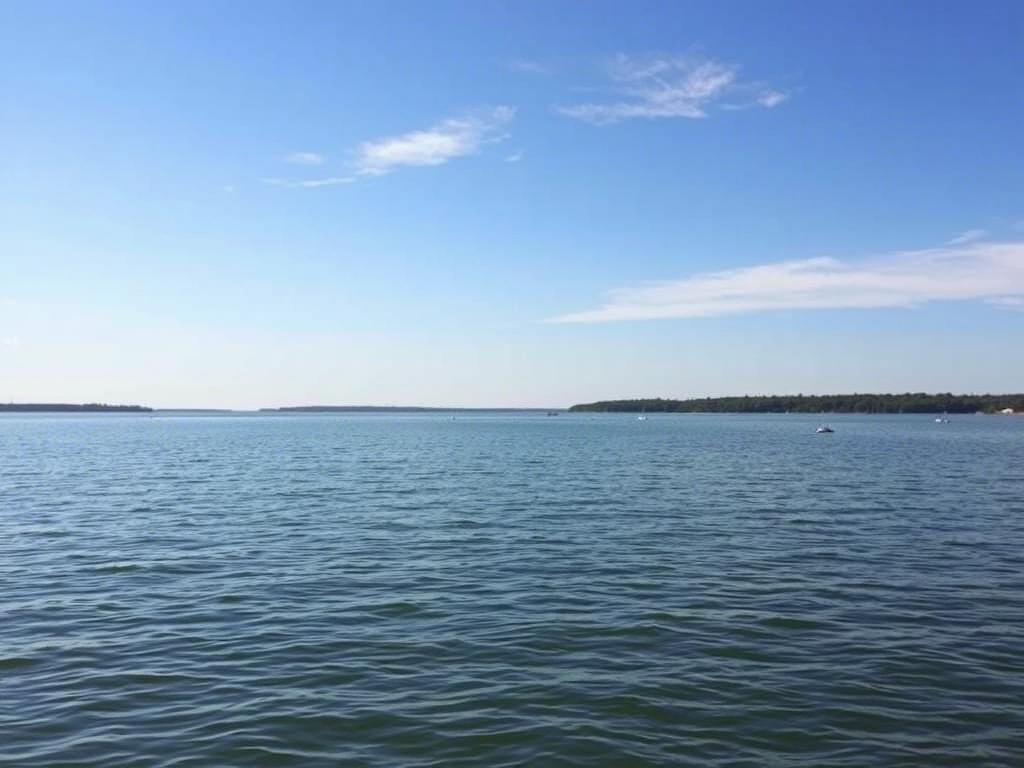
Lake Texoma is a big, beautiful lake found on the border of Texas and Oklahoma. It was made by building a dam called Denison Dam on the Red River. People come here to fish, camp, go boating, and just relax. It’s one of the largest lakes in the United States that’s not made naturally. More than six million people visit Lake Texoma every year!
But it’s not just a fun place. Lake Texoma is also very important for things like water supply, flood control, and wildlife. Because of all this, it holds a special place in people’s hearts, especially in the communities nearby.
The Rules of Capitalization
Now let’s take a step back and talk about grammar rules. In English, we always use capital letters for proper nouns. These are names of specific people, places, or things. For example, we write Mount Everest, not mount everest. Or New York City, not new york city. These names tell us exactly which mountain or which city we are talking about.
So why does this matter? Well, Lake Texoma is not just any lake. It’s a specific lake with its own name, just like a person has a name. So when someone writes lake texoma with small letters, it looks wrong. It makes the name feel less important or even confusing.
That’s one reason why Lake Texoma should be capitalized—because it follows the same rule we use for all proper names.
What Happens When We Don’t Capitalize It?
Some people may think that writing lake texoma in lowercase isn’t a big deal. But actually, it can lead to problems. For example, if someone is reading about it in a news article or school report, they might not realize it’s a real, named place. It could look like you’re just talking about any lake near Texoma, not the Lake Texoma.
Not capitalizing the name can also make writing look careless. If you’re applying for a job, writing a school essay, or making a public post online, grammar and spelling matter. People notice these small things. So keeping names like Lake Texoma capitalized shows that you care about clear and correct writing.
Respecting Places and Culture
Capitalizing the names of places also shows respect. When we write about a place like Lake Texoma, we are talking about something meaningful. It’s part of local history. It’s where people grew up, went fishing with their families, or spent their summers. It’s more than just water—it’s a memory and a symbol of the region.
Just like we would always capitalize the names of cities like Dallas or Oklahoma City, we should do the same for Lake Texoma. It gives the lake the importance it deserves.
This is another reason people believe that Lake Texoma should be capitalized—not only because of grammar, but because of the value and pride people feel for it.
It’s in the Books
If you open up a geography textbook, a tourist guide, or even a government website, you’ll see the name written as Lake Texoma with both words starting with capital letters. This is because it follows formal writing style. Writers, teachers, and editors agree that the correct way to write the name is with capital letters.
Even road signs and travel brochures do it. Imagine seeing a sign that says “lake texoma” in lowercase—it would look out of place and unprofessional. That’s because the standard, accepted form is Lake Texoma.
The Bigger Picture: Why Names Matter
When we understand why capitalization matters, we start to see it everywhere. It’s not just about one lake. It’s about how we treat names in general. Whether it’s a person’s name, a pet’s name, or a place name, using capital letters tells people, “Hey, this is something important.”
If someone saw their own name written in lowercase, it might feel wrong or even rude. The same is true for places. That’s why we say Grand Canyon, Lake Michigan, and yes, Lake Texoma.
And while it may seem like a small detail, writing it the right way makes a big difference in how others read and understand your message.
Wrapping It All Up
So, let’s go back to the big question: Should Lake Texoma be capitalized?
The answer is a strong yes.
Grammar rules tell us to do it. Style guides tell us to do it. Maps, signs, and books all agree. Most of all, the people who love and visit the lake know how special it is—and want it to be written with the respect it deserves.
It may be easy to forget small grammar rules when typing fast or writing informally. But the next time you write about this popular lake, remember why Lake Texoma should be capitalized. It honors the place, helps readers understand what you mean, and shows that you care about getting it right.
And just like Lake Texoma stands tall on the border of two great states, its name should always stand tall in writing too—with capital letters to match its importance.