
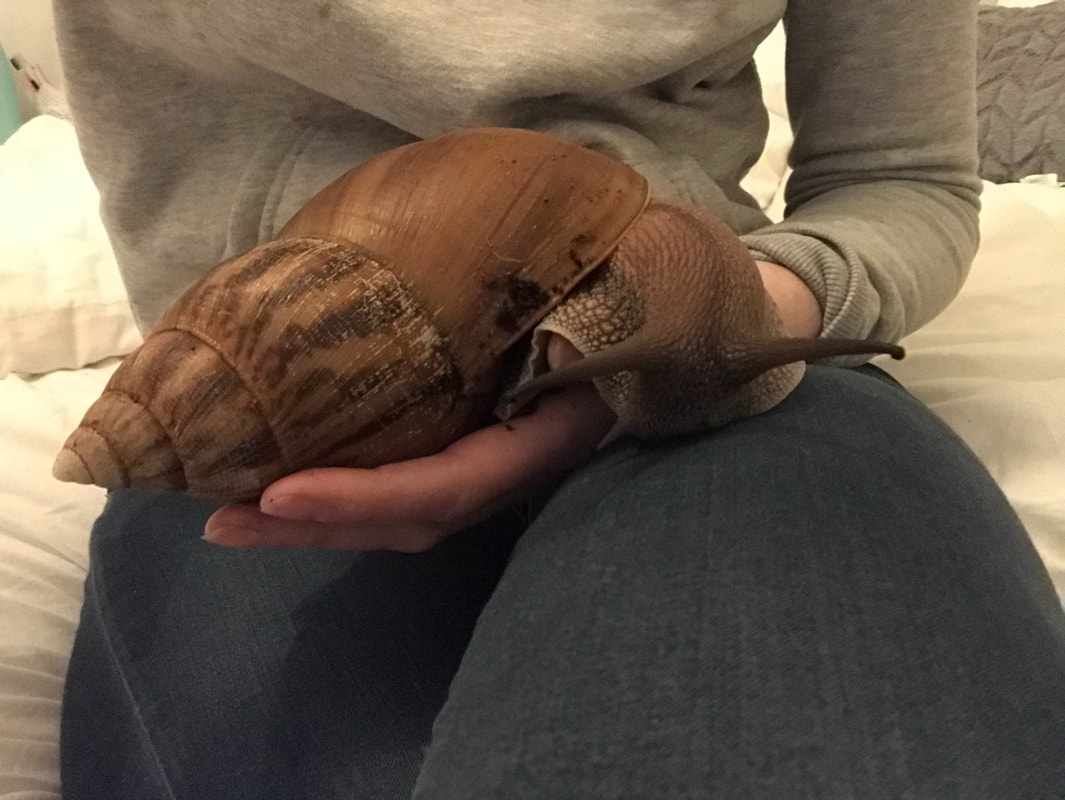
The Giant African Land Snail (GALS) is one of the most fascinating terrestrial mollusks in the world. Known for its impressive size, calm temperament, and unique appearance, it has become a popular exotic pet in many countries where ownership is legal. Before searching for a Giant African land snail for sale, it is essential to understand the legal requirements, proper care, housing, nutrition, and long-term commitment involved in keeping these remarkable creatures.
Because Giant African Land Snails are considered invasive agricultural pests in many regions, their ownership, importation, breeding, sale, or transport is prohibited or heavily regulated in several countries, including the United States. Always verify your local laws before attempting to purchase or own one.
What Is a Giant African Land Snail?
The term Giant African Land Snail commonly refers to several large snail species native to East Africa, with Achatina fulica being the most widely recognized. Other popular species include Archachatina marginata and Achatina achatina, each known for distinctive shell patterns and impressive adult size.
These snails can grow between 6 and 12 inches in total length depending on the species, genetics, nutrition, and environmental conditions. Their shells display beautiful natural patterns ranging from cream and tan to rich brown stripes, making every individual unique.
Unlike many exotic pets, Giant African Land Snails are quiet, odorless, and relatively low maintenance when provided with the proper habitat.
Can You Legally Buy a Giant African Land Snail?
Before looking for a Giant African land snail for sale, legal compliance should be your first priority.
Ownership laws vary dramatically by country:
- United States: Ownership, importation, breeding, and transport are generally prohibited because these snails pose significant agricultural and environmental risks.
- United Kingdom: Ownership is generally permitted, although owners should dispose of eggs responsibly.
- Many European countries: Regulations differ, with some allowing ownership under specific conditions.
- Australia and New Zealand: Strict biosecurity laws prohibit ownership.
Always consult your country’s wildlife or agricultural authorities before purchasing any exotic species.
Why Giant African Land Snails Are Popular Exotic Pets
Enthusiasts appreciate these remarkable mollusks for several reasons.
Impressive Size
Few land snails reach the dimensions of Giant African Land Snails. Their large shells and slow, graceful movement make them fascinating to observe.
Peaceful Nature
They do not bite, scratch, or make noise. Their calm behavior makes them attractive for people seeking a quiet pet.
Easy Observation
Watching feeding behavior, shell growth, and movement provides an enjoyable educational experience for adults and children alike.
Minimal Daily Maintenance
Compared to many reptiles and mammals, Giant African Land Snails require relatively simple daily care once their habitat is properly established.
Choosing a Healthy Giant African Land Snail
If ownership is legal in your area, selecting a healthy specimen is essential.
A healthy snail typically has:
- A clean, undamaged shell
- Smooth body tissue
- Active movement during humid conditions
- Clear eyes on extended tentacles
- No unusual odor
- No visible parasites
Avoid purchasing snails with cracked shells, excessive inactivity, or signs of disease.
Responsible breeders should also provide information about:
- Species identification
- Age
- Feeding routine
- Breeding history
- Housing recommendations
Creating the Ideal Habitat
Proper housing plays a major role in the health and longevity of Giant African Land Snails.
Terrarium Size
A spacious enclosure allows natural exploration.
Suitable options include:
- Glass terrariums
- Plastic reptile enclosures
- Secure storage containers with ventilation
Larger snails require significantly more space than juveniles.
Substrate
The substrate should remain moist without becoming waterlogged.
Popular choices include:
- Coconut fiber
- Organic topsoil without fertilizers
- Moss
- Leaf litter
Avoid substrates containing chemicals or pesticides.
Humidity
Humidity should remain between 75% and 90%, depending on the species.
Daily misting with clean water helps maintain proper moisture levels while preventing dehydration.
Temperature
Most Giant African Land Snails thrive between 22°C and 28°C (72°F–82°F).
Temperatures below the recommended range may cause inactivity or hibernation-like behavior.
Best Diet for Giant African Land Snails
A varied diet supports healthy shell development and overall growth.
Excellent food choices include:
- Lettuce (not iceberg as the sole food)
- Kale
- Cucumber
- Carrots
- Sweet potato
- Zucchini
- Pumpkin
- Bell peppers
- Mushrooms
- Apples
- Pears
- Papaya
- Banana (occasionally)
Wash all produce thoroughly before feeding.
Remove uneaten food promptly to reduce mold growth.
Calcium Is Essential
Calcium is critical for shell strength.
Excellent calcium sources include:
- Cuttlefish bone
- Crushed oyster shell
- Commercial calcium supplements designed for snails
Without adequate calcium, shell deformities and weakened growth may occur.
Handling Your Giant African Land Snail
Although they tolerate gentle handling, excessive interaction should be avoided.
Always:
- Wash hands before and after handling.
- Lift from underneath the body rather than pulling on the shell.
- Keep hands moist.
- Handle over a soft surface in case the snail is dropped.
Never force a snail to detach from a surface.
Cleaning and Maintenance
Routine maintenance keeps the habitat healthy.
Daily tasks include:
- Removing leftover food
- Checking humidity
- Inspecting the snail for injuries
Weekly maintenance should include:
- Spot-cleaning waste
- Wiping enclosure walls
- Replacing contaminated substrate
Complete substrate replacement is recommended periodically depending on enclosure conditions.
Breeding Considerations
Most Giant African Land Snails are hermaphrodites, meaning each individual possesses both male and female reproductive organs.
Even a single mating can result in multiple clutches containing hundreds of eggs.
Responsible owners should:
- Inspect substrate regularly
- Remove unwanted eggs
- Follow local regulations regarding disposal
Uncontrolled breeding can quickly become unmanageable.
Common Health Issues
Healthy snails are generally hardy, but several problems may arise.
Shell Damage
Minor shell cracks often heal naturally with proper nutrition and calcium supplementation.
Dehydration
Signs include:
- Reduced activity
- Dry body tissue
- Poor shell condition
Increasing humidity often resolves mild dehydration.
Parasites
Poor hygiene may encourage parasites or mites.
Maintaining clean enclosures significantly reduces risk.
Expected Lifespan
With excellent care, many Giant African Land Snails live between 5 and 10 years, while some species may survive even longer.
Proper diet, humidity, temperature, and calcium intake all contribute to longevity.
Who Should Own a Giant African Land Snail?
These snails are well suited for:
- Exotic pet enthusiasts
- Nature lovers
- Biology students
- Families seeking quiet educational pets
- Classroom observation (where legally permitted)
They may not be ideal for owners seeking highly interactive animals.
Responsible Ownership Matters
Because Giant African Land Snails reproduce rapidly and can become invasive if released, responsible ownership is essential.
Owners should never:
- Release snails into the wild
- Dispose of eggs outdoors
- Transport them across borders without authorization
- Ignore local regulations
Protecting native ecosystems benefits both wildlife and agriculture.
Frequently Asked Questions
How large do Giant African Land Snails become?
Depending on the species, adults may reach 6–12 inches in total length, making them among the largest terrestrial snails in the world.
Are Giant African Land Snails dangerous?
They are generally harmless to handle, but they should always be handled hygienically. Wash your hands after contact, and follow local guidance regarding exotic species.
What do Giant African Land Snails eat every day?
Fresh vegetables, leafy greens, fruits in moderation, and a constant source of calcium form the basis of a healthy diet.
Do they require companionship?
They can live alone or with others of the same species, provided the enclosure is large enough and breeding is managed responsibly.
How often should the enclosure be misted?
Most enclosures benefit from light daily misting to maintain appropriate humidity, though the exact frequency depends on your climate and enclosure setup.
Conclusion
Searching for a Giant African land snail for sale should always begin with understanding the legal status of ownership in your area. Where permitted, these remarkable mollusks can make fascinating pets when provided with proper housing, balanced nutrition, consistent humidity, and responsible care. By creating a suitable environment and preventing accidental release into the wild, owners can enjoy observing one of nature’s most extraordinary land snails while helping protect local ecosystems and agriculture.


