
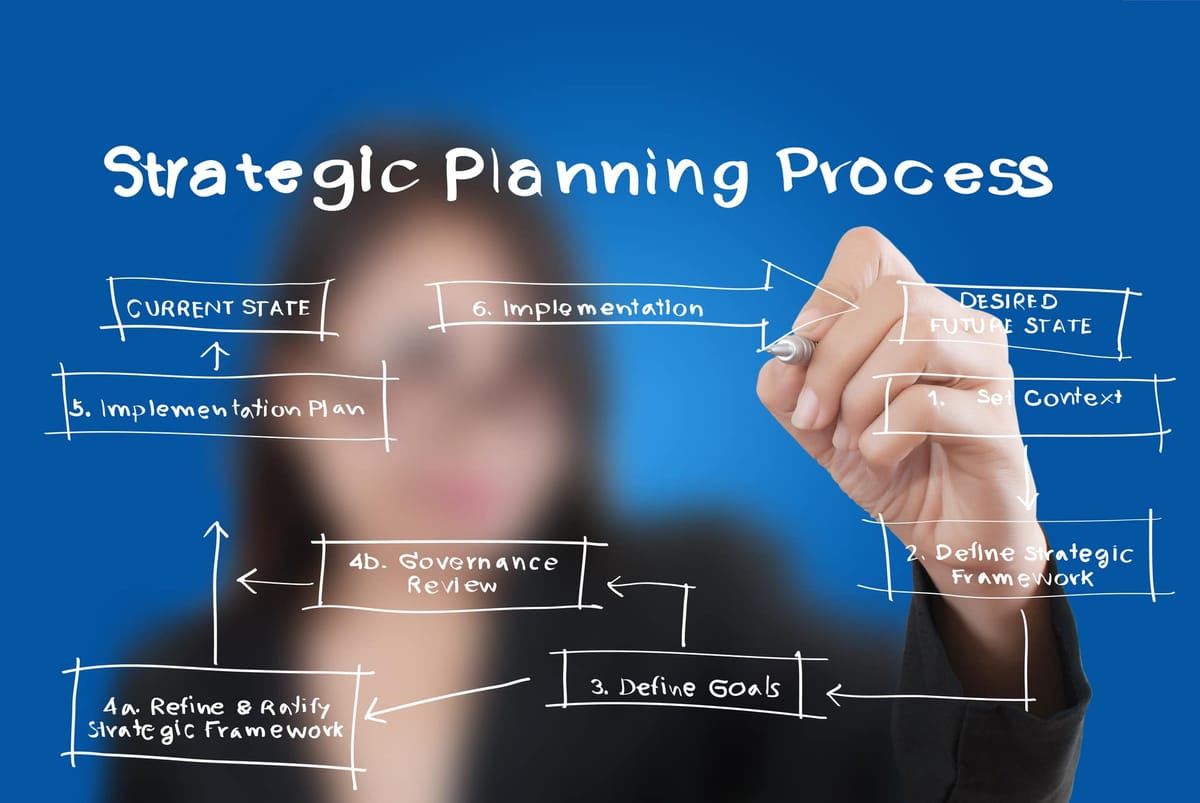
Strategic Planning Process History
The strategic planning process has been around for decades, evolving as businesses and organizations faced new challenges. Originally, companies relied on long-term forecasts and basic budgeting methods. As industries grew more complex, leaders realized they needed a structured approach to set priorities, allocate resources, and align their teams toward common goals. The strategic planning process became a formal method to guide decision-making and measure progress, ensuring that businesses stayed competitive. Today, it is widely used across private companies, non-profits, and government organizations to maintain growth and efficiency.
When is Strategic Planning Process?
The strategic planning process is usually conducted annually. Companies often start planning at the beginning of the year, commonly in January, to set clear objectives for the upcoming months. Some organizations prefer mid-year reviews around July to adjust strategies and ensure they remain on track. The key is to dedicate time in the calendar to evaluate performance, forecast trends, and redefine priorities.
Importance of Strategic Planning Process
The strategic planning process is essential because it gives organizations a clear direction. Without it, companies risk making reactive decisions that may not support long-term goals. It helps leaders identify opportunities, anticipate challenges, and prioritize initiatives. By using the strategic planning process, teams can focus resources on high-impact projects, improve efficiency, and track measurable results. It also fosters communication and alignment across departments, ensuring that everyone is working toward the same mission and objectives.
How Strategic Planning Process is Conducted
Conducting a strategic planning process involves several key steps. First, organizations analyze their internal strengths and weaknesses, often using tools like SWOT analysis. Next, they examine external opportunities and threats, considering market trends and competitor behavior. After gathering this information, leaders define clear goals and develop action plans. Finally, progress is monitored regularly to adjust the strategy if needed. Workshops, team meetings, and executive reviews are common methods to keep everyone engaged in the strategic planning process.
Tools Used in Strategic Planning Process
Several tools make the strategic planning process more effective. SWOT analysis, PESTEL analysis, and Balanced Scorecards are among the most common. These tools help companies identify trends, assess performance, and ensure alignment with long-term objectives. Technology also plays a role, with project management software and analytics platforms supporting decision-making. Using these tools ensures the strategic planning process is data-driven, practical, and adaptable to changing conditions.
Benefits of Strategic Planning Process
The strategic planning process delivers multiple benefits. It improves decision-making by providing a structured framework. Teams gain clarity on priorities, reducing wasted effort on low-impact activities. Organizations become more agile, able to respond to changes in the market. Furthermore, it encourages accountability, as responsibilities and performance indicators are clearly defined. By implementing the strategic planning process, companies can sustain growth, maintain competitiveness, and foster a culture of strategic thinking.
Interesting Facts about Strategic Planning Process
One interesting fact about the strategic planning process is that it is not limited to large corporations; small businesses also benefit significantly. Another is that companies that regularly review their strategic planning process are more likely to achieve goals and outperform competitors. Surprisingly, some organizations still underestimate its importance, leading to misaligned projects and wasted resources. The strategic planning process also encourages innovation, as teams explore new strategies and opportunities while assessing risks.


